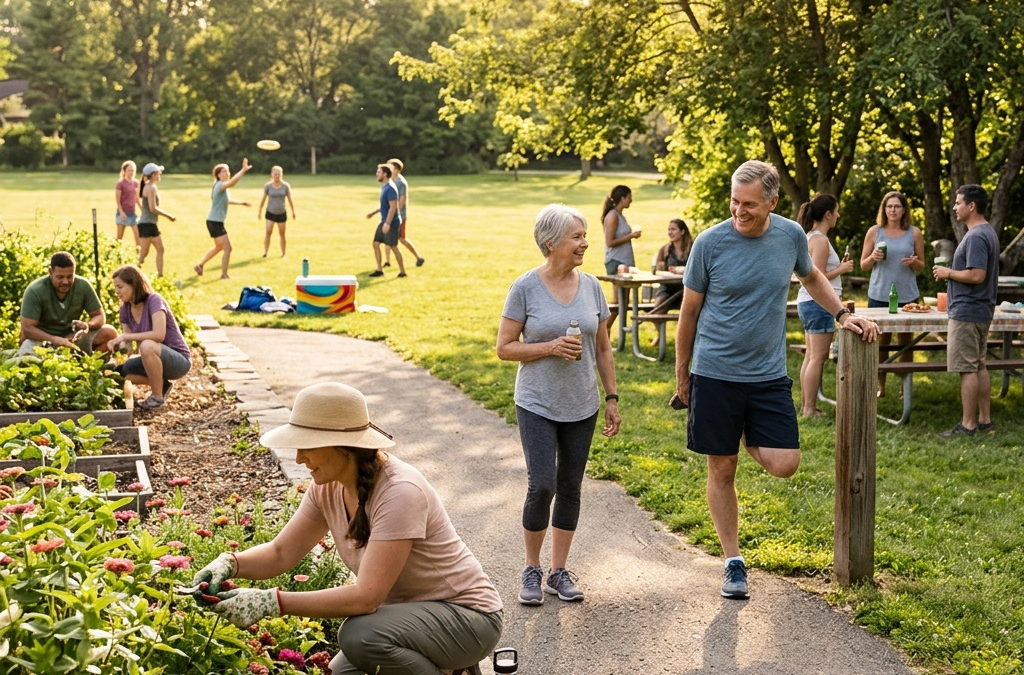
You’ve just spent a couple of hours in the garden, pulling weeds, hauling bags of compost, bending and stretching in the July heat. Or maybe it was a long walk with the dog, a kick-about with the kids, or simply standing at the BBQ for longer than you planned. You come inside, sit down, and suddenly your calf seizes up like a fist clenching tight.
Sound familiar?
That cramp isn’t random. Your body is sending you a very clear message. The good news? Once you understand what it’s actually saying, it’s surprisingly easy to respond.
Why July Is Different for Your Body
Summer changes everything. The heat, the humidity, and the simple fact that most of us are more active in July, whether we realize it or not, mean your muscles are working harder than usual, and losing more fluid in the process.
Even a gentle afternoon in the garden counts. You’re moving, sweating, and asking your body to perform, often without the hydration to back it up.
What Dehydration Actually Does to Your Muscles and Joints
Here’s the simple version: your muscles are roughly 75% water. Your cartilage — the cushioning tissue inside your joints- is even more water-dependent. When you’re dehydrated, that cushioning thins, friction increases, and muscles become irritable and prone to cramping.
Think of a well-oiled hinge versus a rusty one. Hydration keeps things moving smoothly. Without it, everything gets a little… scratchy.
The Electrolyte Factor Most People Miss
Plain water is brilliant, but after an hour or more outdoors, it’s not always enough on its own.
When you sweat, you lose electrolytes: sodium, potassium, and magnesium. These minerals are what allow your muscle fibers to contract and relax properly. Without them, even a well-hydrated person can cramp.
A banana, a small handful of salted nuts, or an electrolyte drink alongside your water can make a real difference, especially during or after more active stretches of the day.
The Most Common Muscles That Cramp in Summer (And Why)
Calves, hamstrings, and the arches of the feet are the usual culprits. These muscles work hardest during walking, standing, and pushing off the ground, all things you’re doing more of in summer. They’re also furthest from the heart, which means circulation and nutrient delivery can lag slightly, making them more vulnerable when fluid levels drop.
Your July Hydration Checklist
Keep it simple with this three-part framework:
Pre-hydrate — Start your day with a full glass of water before you head outside, not after you’re already thirsty
Electrolytes — Add a light snack or electrolyte source if you’re spending more than an hour outdoors
Listen to your muscles — Tightness, heaviness, or early cramping are signals to pause, find shade, and drink
What To Do When a Cramp Hits
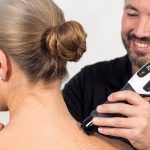
Stop what you’re doing. Move to the shade. Sip water steadily, don’t gulp. Gently stretch the affected muscle, and use your hands to massage the area with slow, firm strokes. Most cramps ease within a few minutes with this approach.
The mistake most people make? Pushing through it or stretching aggressively. Both can make things worse.
The Waiting-Until-You’re-Thirsty Problem
By the time you feel thirsty, you’re already mildly dehydrated. Thirst is your body’s late alarm, not its early one. Staying ahead of it, particularly on warm days, is far easier than recovering from it.
How Dehydration Compounds Existing Aches and Stiffness
Already dealing with a niggling knee, a stiff lower back, or achy hips? Dehydration makes existing discomfort noticeably worse. Less fluid around the joint means more friction, more inflammation, and less tolerance for activity. If your joints feel more unhappy than usual this summer, hydration is always worth revisiting first.
Simple Daily Habits That Actually Help
Keep a water bottle visible; if you can see it, you’ll drink it
Check your urine color: pale yellow means you’re on track; dark yellow means drink more
Have a glass of water with your morning coffee, not instead of it
Set a reminder on your phone if hot days slip by unnoticed
A Word From Koda Physiotherapy
At Koda PT, our mission is simple: keep this community moving well, for longer. Whether you’re chasing grandchildren around the garden, playing weekend cricket, or just trying to get through July without seizing up on the sofa — these small habits genuinely matter. Hydration isn’t glamorous advice, but it’s some of the most powerful preventative care there is.
Your muscles are talking to you. This summer, let’s start listening.
Want more tips like this delivered straight to your feed? Follow Koda Physiotherapy on social media, sign up for our newsletter, or check back on our website for a brand-new health tip every month. We’re here to help you move smarter and recover stronger — all year round.